International Desk //
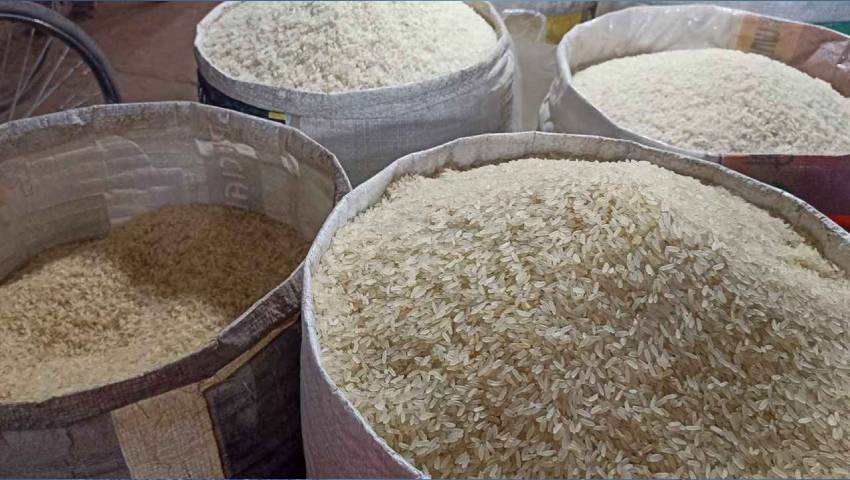
Farmers in the Philippines are becoming discouraged from cultivating rice due to moderate-to-strong El Niño conditions and high fertilizer prices. Consequently, rice production in the country could decline during the 2026-27 season. These findings were revealed in a recent report by the Foreign Agricultural Service (FAS) of the US Department of Agriculture (USDA), as reported by World-Grain.com.
According to the report, milled rice production in the country is projected to reach 12.25 million tonnes in the 2026-27 season, down from 12.36 million tonnes in the previous season. Farmers’ interest in rice cultivation has waned due to weather-related risks and rising production costs.
However, the Philippine government has implemented various programs to encourage farmers to continue cultivation. The country’s National Rice Program (NRP) and Rice Competitiveness Enhancement Fund (RCEF) are providing support in this regard.
Despite the drop in production, the demand for rice in the country is rising. Rice consumption is expected to increase to 17.65 million tonnes in the 2026-27 season, driven largely by the country’s growing population. Consequently, high retail prices are having little impact on demand. Due to lower production, the country may need to import 5.2 million tonnes of rice to balance domestic supply and demand.
El Niño is also impacting corn production in the Philippines. Corn output is projected to fall to 8.05 million tonnes in the 2026-27 season, compared to 8.2 million tonnes in the previous season. The production forecast has been lowered due to irrigation water shortages and reduced yields.
On the other hand, the demand for corn is expected to rise due to the growth of the country’s poultry sector. With increased use of corn in animal feed production, imports could also rise to 2.9 million tonnes. A proposal to increase the corn import quota in the Philippines remains under review. Meanwhile, the country’s agriculture and energy departments are examining the use of corn for ethanol production.
On the other hand, the USDA expects wheat consumption and imports to remain relatively stable during the 2026–27 season. Although demand for wheat in the food industry is rising, the increase in corn usage for animal feed is expected to largely offset this growth. Forecasts for wheat consumption and imports were raised for the 2025–26 season due to increased demand for wheat in animal feed; however, the wheat export forecast was lowered due to weak demand for pasta.
Read the latest news and share your views.
Please Share This Post in Your Social Media