International Desk //
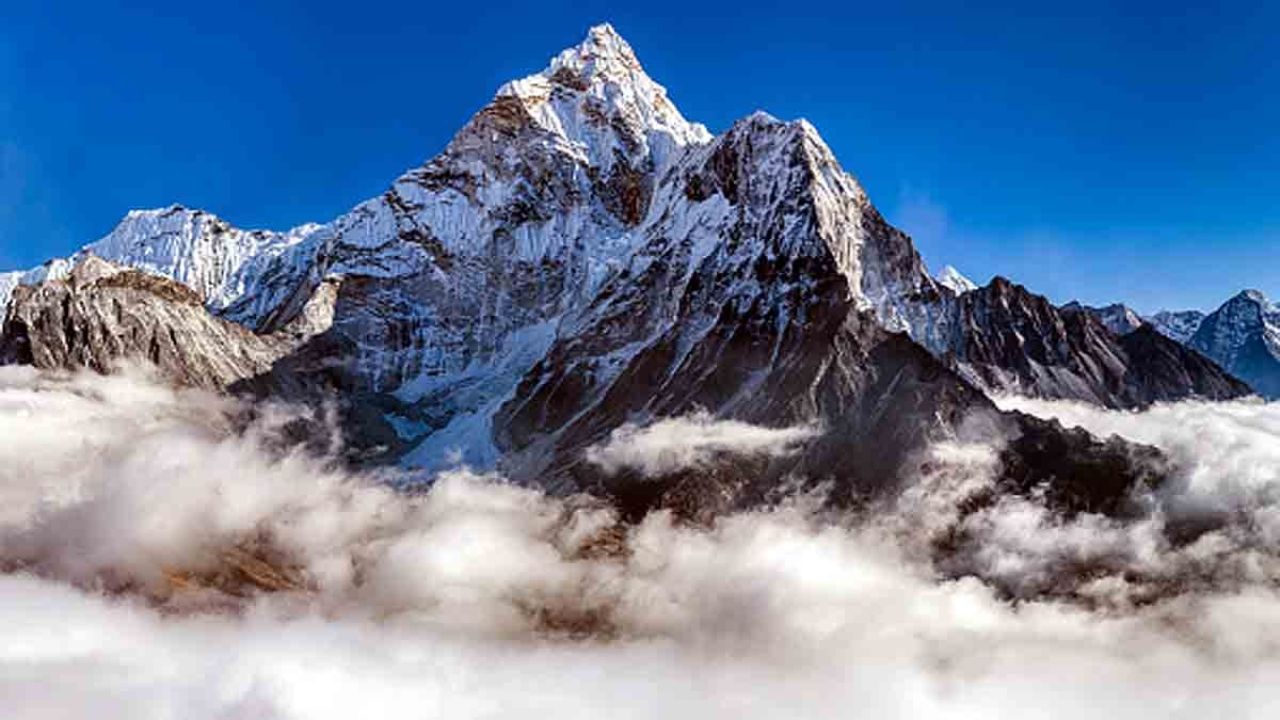
The sudden avalanche and devastating floods along the Nepal-Tibet border are not merely local incidents; they represent a severe catastrophe for the entire ecosystem.
This event serves as a critical warning for the eight countries—including Bangladesh—that rely, directly or indirectly, on the Himalayan mountain range. Scientists warn that the situation is becoming increasingly complex due to the rapid melting of Himalayan ice caused by global warming.
When avalanches or mountain torrents occur at high altitudes, the resulting surge of water rushes toward the plains in an instant. Situated at the downstream end of the Ganges, Brahmaputra, and Meghna basins, Bangladesh bears the direct impact of any upstream surge. Climate change has heightened the risk of flash floods, riverbank erosion, and unseasonal mountain torrents in the near future.
Experts emphasize that managing such disasters within individual national borders is no longer feasible. Eight nations in the region—including Bangladesh, India, Nepal, Bhutan, China, and Pakistan—must now unite under a common framework. There is no alternative to a collaborative system for sharing early meteorological data and monitoring river dynamics. Timely early warnings could save the lives and property of thousands of people.
Source: The New York Times
Share your thoughts.
Please Share This Post in Your Social Media